How to Modernize Without Disruption
Freezer warehouses are among the most demanding environments in distribution—combining extreme temperatures, high energy consumption, and constant pressure for speed and accuracy. Over time, even well-designed automation and material handling systems begin to show their age.
For decision-makers, the challenge isn’t simply whether to modernize, but how to do it in a way that improves performance without disrupting operations or requiring a full system replacement. In many cases, targeted upgrades can extend asset life, improve throughput, and reduce costs with far less risk and capital investment.
Knowing When It’s Time to Upgrade
 At the same time, labor challenges often intensify. Freezer environments are difficult to staff, and increased manual intervention introduces both safety risks and inefficiencies. Technology gaps also become more visible—particularly when systems lack integration with WMS or ERP platforms or fail to provide meaningful performance data.
Energy usage is another important indicator. Aging equipment and inefficient components can significantly increase refrigeration load and operating costs over time.
Taken together, these issues signal not just aging infrastructure, but missed opportunities for performance and cost optimization.
Why Modernization Often Outperforms Replacement
A full system replacement can be costly, disruptive, and unnecessary—especially when core mechanical structures remain sound. Upgrading or modernizing controls, drives, and key automation elements often delivers a faster and more attractive return.
Modernization can extend the usable life of existing systems by a decade or more while improving throughput and reliability. It also enables better system visibility through real-time data, helping leaders make more informed operational decisions. At the same time, more efficient components reduce energy consumption, which is particularly impactful in freezer environments.
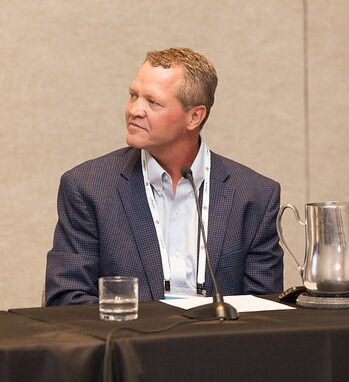 This was a topic DLN Account Executive Garrett Smith recently covered at the Global Cold Chain Alliance (GCCA) Conference on a panel called Prioritizing Investments in Capital Upgrades.
“In my career I’ve worked with companies that struggle to find the right balance for how to fix their distribution challenges,” Garrett says. “We commonly discover they either over- or under-invest in automation for variety of reasons such as cost, unclear technology expectations or pressure from executives.”
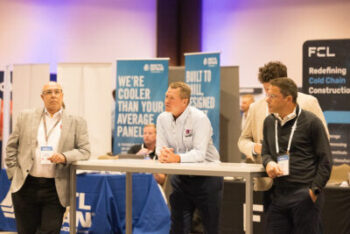 “At the heart of the matter is just confusion about the best path forward. Do we start from scratch or use what we have as a jumping off point? The decision isn’t easy and requires thoughtful review. But it typically boils down to practicality and risk.”
So when existing systems are structurally sound and able to handle future capacity, keeping what you have and modernizing the existing facility often makes more sense.
Compared to full replacement, upgrades require less capital, can be implemented in phases, and significantly reduce downtime risk. They also preserve workforce familiarity, minimizing training requirements and accelerating adoption.
For most organizations, the ability to improve performance without interrupting revenue-generating operations is the defining advantage.
Planning for Success
Effective modernization starts with a clear plan. A thorough system assessment helps identify performance gaps, failure points, and opportunities for improvement. From there, leadership teams should define specific objectives—whether that’s increasing throughput, improving reliability, or reducing labor dependency—and align them with measurable outcomes.
Technology decisions should focus on scalability and integration. Upgraded controls, enhanced automation, and better connectivity to business systems should work together to create a more responsive and data-driven operation.
Equally important is taking a phased approach. By prioritizing high-impact areas and sequencing upgrades carefully, organizations can reduce risk while steadily improving system performance.
 Avoiding Common Pitfalls
Modernization projects often run into trouble when complexity is underestimated. Legacy systems frequently have undocumented dependencies, and insufficient planning can lead to delays or unexpected costs.
Another common issue is inadequate testing. Without proper validation before and after installation, even well-designed upgrades can fail to deliver expected results. Over-customization can also create long-term maintenance challenges, while poor integration limits the value of new investments.
Finally, successful adoption depends on people. Without proper training and change management, even the best technology improvements can fall short.
 Executing with Minimal Disruption
Execution should be structured to protect ongoing operations. This typically means completing detailed engineering upfront, validating systems through testing, and aligning installation with planned downtime or slower periods.
Phased implementation is key. Upgrading systems in stages allows facilities to continue operating while improvements are made. In some cases, running new and legacy systems in parallel or using temporary workarounds can further reduce risk.
The goal is continuity—ensuring customer commitments are met while the system evolves.
 The Risk of Waiting
Delaying upgrades often creates a false sense of savings. In reality, aging systems tend to drive higher maintenance costs, increased energy consumption, and ongoing productivity losses. Over time, these incremental costs can exceed the investment required for modernization.
More importantly, the operational risks grow. Unexpected failures, safety concerns, and an inability to meet customer demand can quickly erode both revenue and reputation. And of course, in a cold environment, the stakes are even higher.
Closing Thoughts
Upgrading automation and material handling systems in freezer warehouses is not just a technical decision—it’s a strategic one. When approached thoughtfully, modernization enables organizations to extend the life of existing assets, improve operational performance, and stay competitive without the disruption of a full rebuild.
The most successful efforts are deliberate, phased, and focused on long-term value—proving that in many cases, progress doesn’t require starting over.