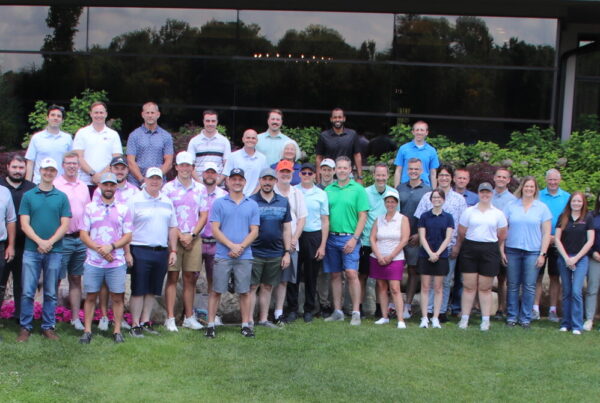

Matt Wieneke
Discount retailers have a unique set of distribution challenges. Inventory is sourced year-round from a diverse and every changing range of vendors. Accurate trend forecasting, inventory tracking and a streamlined supply chain is crucial.
Our team is especially knowledgeable in creating solutions for painless distribution for discount retailers.
Companies like Dollar General, Dollar Tree and Family Dollar and others have relied on DLN to guide them through small equipment upgrades to greenfield automated distribution centers.
Matt Wieneke, Senior Account Executive, has 20 years of project management experience in the discount retail space, and highlights several of the biggest challenges he’s helped these companies overcome.
1. Labor Availability & Productivity
The Challenge
The availability of labor is a challenge faced by every retailer, so it’s not unique to discounters. However, we’d be remiss by not mentioning it. Almost every warehouse metric depends on having enough trained workers. High turnover, absenteeism, peak-season hiring, and training challenges directly impact receiving, put-away, picking, packing, and shipping performance.
The Solution
There are a few things we’ve helped discount retailers do to improve employee retention. The first thing we look at is how to make tasks easier. Heavy, strenuous, repetitive tasks can often be significantly improved with automation. Travel time to pick locations can be reduced by optimizing workspace footprint.
“Several of the facilities I work with struggle with finding and keeping staff. We’ve introduced technology like conveyors, automated sortation and print-and-apply labeling as ways to cut down on labor requirements, to share a few examples,” Matt says. “Other times performing a slotting analysis and implementing the findings provides labor reduction without any additional technology at all.”
2. SKU & Product Mix Complexity
The Challenge
Discount retailers’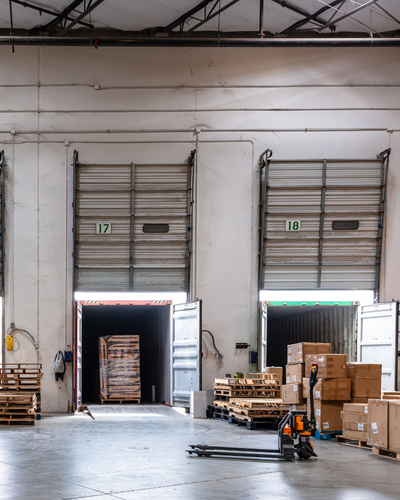 business models are built around sourcing merchandise from thousands of vendors and constantly changing assortments rather than predictable replenishment. This creates complexity in receiving, slotting, inventory control, and store allocation. Strong seasonality requirements put extra pressure on distribution needs. Inefficient facilities slow down throughput and drive up labor costs.
The Solution
In order to improve efficiency, reducing complexity within the distribution facility is the ultimate goal. Matt describes many of his successful projects as beginning with a thorough data-driven analysis of existing operations and equipment alongside future growth goals. This informs clients on how to prioritize the processes and technology needed to achieve increased efficiency.
“What we learn from the analysis guides the next steps. Some of the things we’ve helped discount retailers do is automate sortation to reduce labor, update warehouse software to improve inventory visibility, and streamline picking and cross-docking to increase cycle times,” Matt says.
3. Store Growth Outpacing Network Capacity
The Challenge
Discount retail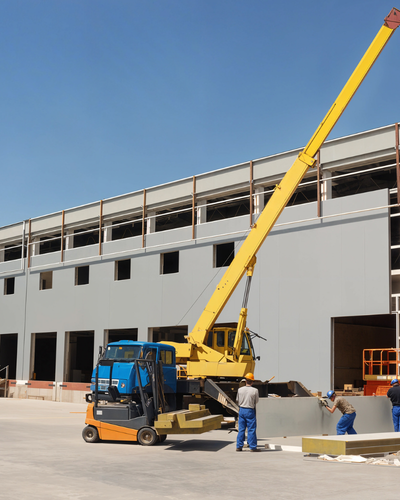 continues expanding store locations nationwide, which strains existing distribution infrastructure. Growing store networks require more outbound shipping, more storage capacity and reliable distribution technology.
The Solution
Geographic expansion is an excellent opportunity to review requirements and make solid plans for the next facility. Take a look at existing volume data and future projections for growth.
“When we helped a dollar store expand, we used data and research to define optimal greenfield DC locations, identify capacity and determine deployment strategies,” Matt explains.
“What leadership most appreciated was the fact that our analysis, plus our past implementation experience, created a full business case with the numbers to back up their expansion roadmap.”
4. Seasonal Volume Surges
The Challenge
Holiday, back-to- school, and seasonal events can dramatically increase throughput requirements. Distribution centers must scale labor, transportation, and storage quickly while maintaining service levels.
The Solution
“The middle of a busy season is no time to be figuring out where to store overflow, how to assign temp workers, or how to keep outdated equipment running smoothly,” Matt says.
He recommends advance planning to handle the inevitable volume issues.
“In my experience, equipment breakdowns happen at the worst possible times. The most efficient DC’s handle critical preventive maintenance before peak times. Inspecting conveyors and sorters, replacing worn components and updating software and stocking spare parts are an excellent starting point,” he suggests.
5. Automation Reliability
The Challenge
As retailers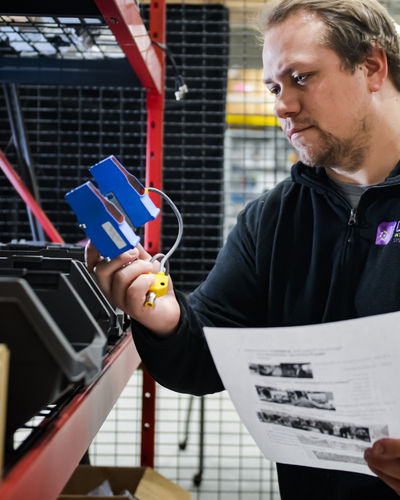 expand store counts and invest in automation, keeping conveyors, sorters, warehouse management systems, and material-handling equipment running becomes increasingly important.
Because inbound deliveries are highly variable, discount retail is especially vulnerable to system downtimes.
The Solution
Achieving reliability does not have to mean building a state-of-the-art, highly automated facility. Better uptimes can start with modernizing an existing building by strategically updating equipment or processes.
“We started a 15 year (and ongoing) relationship with a rapidly expanding discount retailer that began with a simple facility audit of one of their 9 DCs. We flagged some quick wins like a sorter re-build, improving carton control and replacing worn out components. These simple things were huge wins that made the case for additional investment,” Matt explains.
“Several legacy facilities rely on our lifecycle services team to augment their maintenance staff. They are available 24/7 for urgent issues and can deploy in person when needed. They also design preventive maintenance programs and can supply spare parts, which our discount retailers appreciate,” Matt says.
Matt’s experience has helped existing facilities identify bottlenecks and solve them with improved technology and processes.
The DLN Difference
DLN Integrated Systems is an integrator with a robust in-house consulting practice, software, customized automation and robotics, and a knowledgeable lifecycle services team. We also focus on operational readiness and preparing client teams for new equipment and processes by offering extensive testing, training, and change management to minimize the learning curve and accelerate system ramp-up.
Our team is committed to providing the optimal solution to our clients. Feel free to contact us to start a no-obligation conversation about your specific situation.